
HPV Vaccination in Nigeria
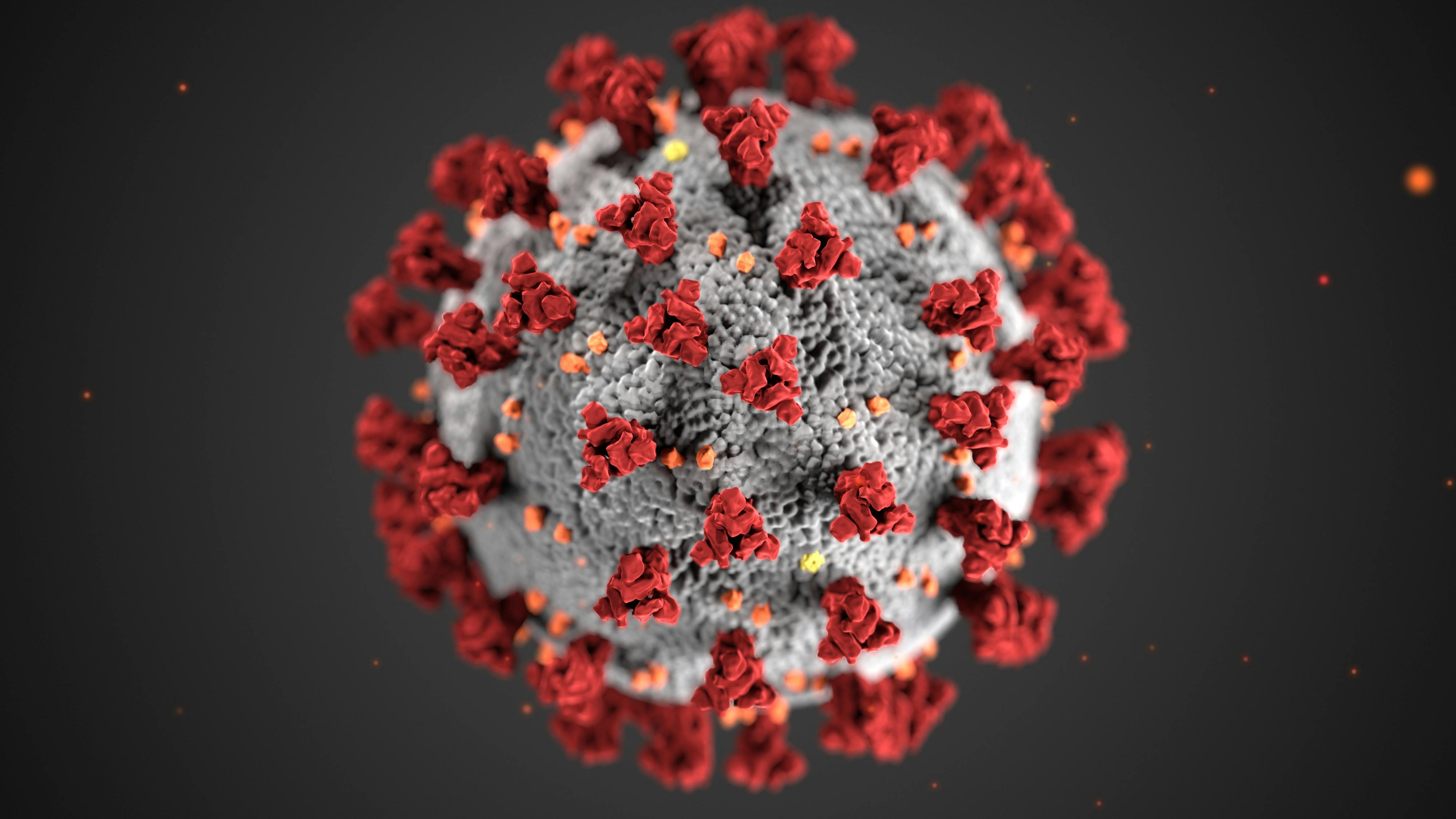
HPV Vaccination in Nigeria
As at 2016, it was estimated that roughly 70% of sexually active Nigerians engage in unprotected sex. With the high prevalence of Sexually Transmitted Infections (STIs)—with an estimated 27.7% of Nigerians living with STIs—it’s safe to deem this as risky behaviour. Due to the stigma surrounding sexual activities and the resultant lack of sexual education, many Nigerians are unaware that vaccines are available for a good number of these STIs. In this blog post, our focus will be on Human Papillomavirus (HPV).
What is HPV?
HPV is a virus that lives in and around the skin of the genital area, in the mouth, and in the throat. There are over 100 different strains of this virus. While there are a few strains that are low risk in nature and usually clear up on their own without showing symptoms or causing much harm, there are high risk strains that cause symptoms like genital warts, and even increase the risk of certain kinds of cancer later on in life.
With HPV being an STI, some may think that condoms can prevent it from spreading. While condoms can reduce the risk of spreading, HPV can infect the skin in and around the whole genital area, meaning it can still spread when condoms are used. The fact that the virus also lives in the mouth and throat means HPV can also be spread without penetrative sex.
How high are your chances of contracting HPV?
In 2019, the World Health Organization (WHO) carried out a study, the results of which showed that HPV is the most common viral infection of the genital tract. This study revealed that in every 100,000 sub-Saharan Africans who engaged in sexual activities, anywhere from 33.8% to 75.3% had HPV. Narrowing it down, the prevalence rate of the virus ranged from 14% to 49% in every 100,000 sexually active individuals. Another study performed in 2016 showed that about 10% of Port Harcourt’s sexually active population had the virus.
How risky is HPV?
Revisiting the figures from the aforementioned WHO study, we see that 30% of young women become HPV positive within the first year of them becoming sexually active. Now, 90% of of HPV infections show no symptoms and are cleared by the immune system before the disease manifests— usually within 2 years of contracting the virus.
Other cases do turn out to be quite serious and eventually progress to invasive cervical cancers. This could manifest as the formation of malignant or benign tumors in the cervix, vulva, penis, or anus. This highlights a causal relationship between HPV and cervical cancer with about 99% of cervical cancer cases being linked to a strain of the HPV virus called High risk HPV (HrHPV).
This is to say that while HPV can be totally harmless in some cases, it could also do a great deal of damage to a person. So, why leave it up to chance?
HPV Vaccination
As you probably already guessed from the title of this blog post, vaccinations for HPV are available, and luckily for you, we here at Cosmiva Care Pharmacy do offer this vaccine.
Get yourself and your loved ones protected against HPV by booking a vaccination appointment today!